
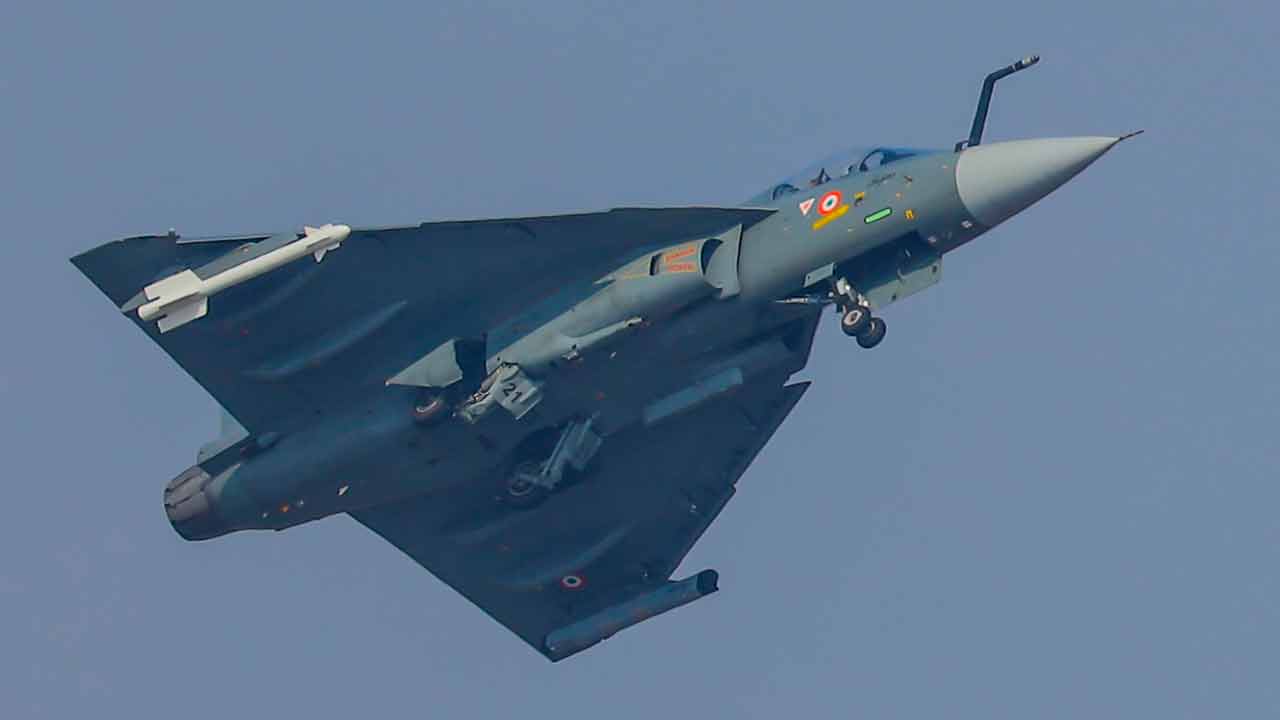
Developed by Hindustan Aeronautics Limited (HAL), the new light combat aircraft represents a strategic leap in India’s defense self-reliance.
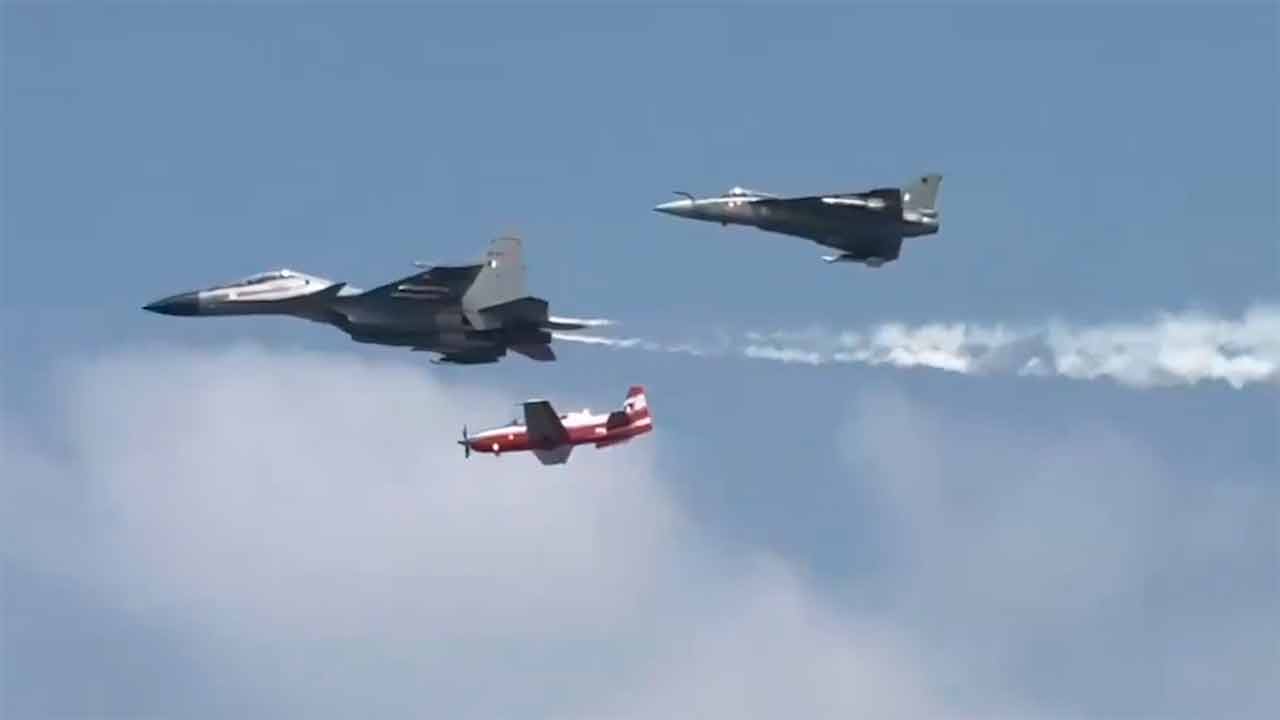
India’s indigenous defense technology reached another major milestone this Friday (17). The Tejas Mk-1A light fighter, manufactured by Hindustan Aeronautics Limited (HAL), successfully completed its maiden flight from the company’s campus in Nashik, Maharashtra, in the presence of Defense Minister Rajnath Singh.
The event also marked the inauguration of the third assembly line for the LCA Tejas Mk-1A and the second production line for the HTT-40 basic trainer aircraft. During the ceremony, the Tejas Mk-1A was greeted with the traditional water salute, symbolizing the welcoming of a new aircraft.
Expansion of industrial capacity
Currently, HAL maintains two Tejas production lines in Bengaluru, with the capacity to manufacture 16 aircraft per year. The new Nashik facility raises the total annual output to 24 aircraft, strengthening the domestic manufacturing program launched in 2023.
HAL has reaffirmed its commitment to on-time deliveries of the indigenous fleet, although the supply of GE F404 engines, produced by the American company General Electric, remains a challenge. The contract, signed in 2021, provides for 99 engines — of which only four have been delivered so far.
A fully Indian 4.5-generation fighter
The Tejas Mk-1A is a 4.5-generation multirole fighter designed for operations in high-threat environments and adverse weather conditions. It incorporates significant advancements over the Mk-1 version, including the Israeli EL/M-2052 AESA radar, an advanced electronic warfare suite, radar jammers, and beyond-visual-range (BVR) combat capability.
The aircraft also uses a digital fly-by-wire system, replacing traditional mechanical controls with high-precision electronic commands. It has nine external hardpoints for carrying missiles and bombs, such as the Israeli Derby and the indigenously developed Astra.
Urgent reinforcement for the Indian Air Force
Currently, the Indian Air Force (IAF) operates 29 fighter squadrons — well below the 42 required for full operational capability. The recent decommissioning of two MiG-21 squadrons has increased the urgency of introducing the Tejas Mk-1A, seen as the cornerstone of India’s military aviation modernization.
According to HAL, the new model will feature state-of-the-art electronic radars, enhanced communication systems, improved combat capability, and optimized maintenance, making it suitable for air defense, maritime reconnaissance, and ground attack missions.
Source and images: Hindustan Aeronautics Limited (HAL) | Ministry of Defence of India | Press Release. This content was created with AI assistance and reviewed by the editorial team.
India celebrates historic milestone with the first flight of the Tejas Mk-1A fighter built in Nashik
Developed by Hindustan Aeronautics Limited (HAL), the new light combat aircraft represents a strategic leap in India’s drive for defense self-reliance.
Source and images: HAL pic.twitter.com/KmRqXTg7T7
— saibadetudo.com.br (@saibadetudo25) October 17, 2025
